
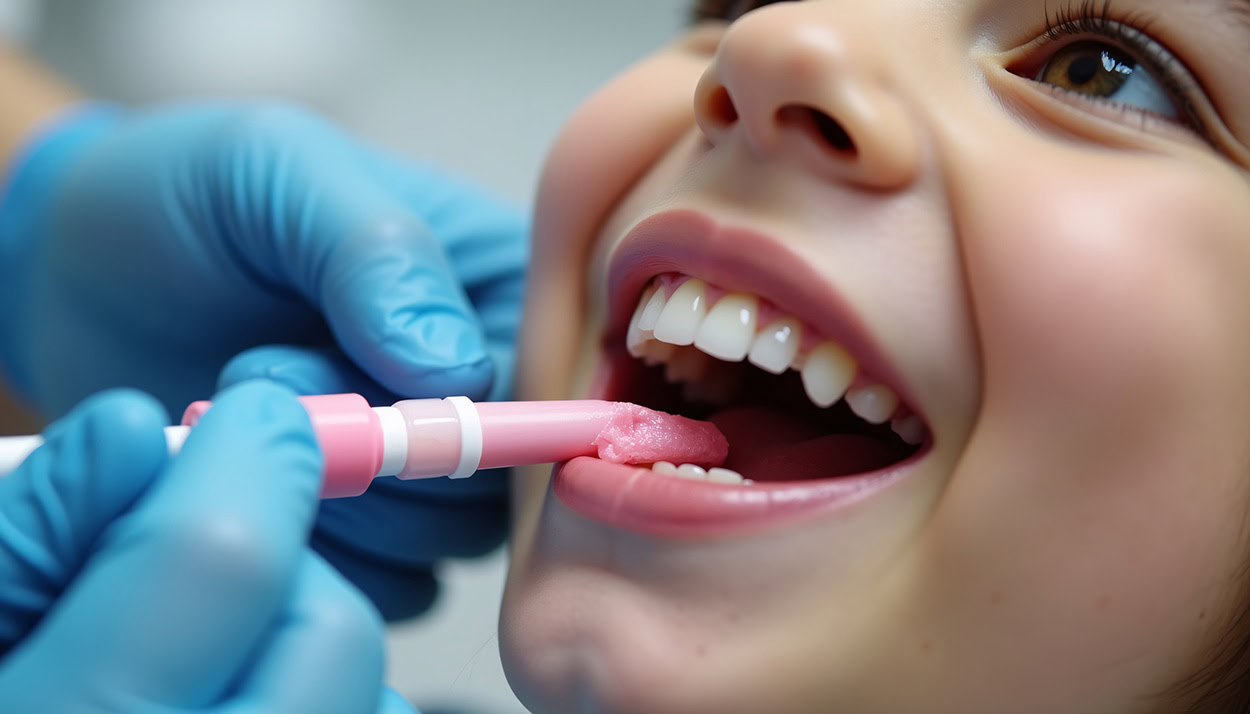
A routine checkup for a child follows a familiar pattern, and knowing it makes the visit less of a surprise.
Wondering what happens at a child’s dental checkup? The visit follows a steady pattern with few surprises. A hygienist cleans the teeth, the dentist examines the mouth, and X-rays are added when a child needs a new set.
This is the daily work of pediatric dentistry, the branch of dentistry focused on the teeth and gums of babies, children and teenagers. Knowing the steps ahead of time helps a parent explain them to a child.
Quick Answer
A child’s dental checkup includes a cleaning by a hygienist and an exam by the dentist. The dentist adds X-rays when a child’s teeth need a closer look or it has been a while since the last set of X-rays. Most children are seen about every six months, and the dentist explains any problem found.
Key Takeaways
- A checkup is a cleaning and an exam, with X-rays when a new set is due.
- Most children are seen every six months, though some need visits more often.
- The hygienist may add fluoride or sealants to help prevent cavities in a child’s teeth.
- The dentist checks the bite, and a bite problem may lead to an orthodontist referral.
- Telling the dental team about a child’s nerves beforehand lets them plan ways to help.
Who Will My Child See at the Appointment?
Two people usually share the visit. A dental hygienist cleans the teeth first, and then the dentist examines the mouth. The hygienist is trained to clean teeth and to teach good habits for the teeth and gums at home. The dentist then looks over the whole mouth and explains what the exam shows.
What Happens During the Cleaning?
A cleaning starts with scaling, when the hygienist uses small metal tools to scrape plaque and tartar from the teeth.
Plaque is the sticky film of bacteria that coats teeth soon after eating, and brushing at home does not clear all of it. Left behind, plaque hardens into tartar along the gumline, where it can cause red, swollen gums. Only a professional scaling removes tartar.
Next comes polishing. The hygienist uses a slightly gritty paste and a device that looks like an electric toothbrush with a rubber tip. Flossing finishes the cleaning, and the hygienist may show how to brush and floss at home.
What Does the Dentist Look for During the Exam?
The dentist examines the teeth and gums for signs of decay or gum disease. A cavity found early can often be repaired by removing the damaged area and filling the space. One that is missed can grow until a larger repair becomes necessary.
The dentist also checks the bite, meaning the way the top and bottom teeth fit together. A bite problem can lead to a referral to an orthodontist. The exam includes looking and feeling for unusual lumps in the mouth, including the lips and tongue, and the dentist may check the face and neck as well. If X-rays were taken, the dentist reviews them for hidden trouble.
Are X-Rays and Fluoride Part of Every Visit?
The dentist takes X-rays when a child’s teeth need a closer look or it has been a while since the last set of X-rays. X-rays can show hidden cavities and other problems that cannot be seen by looking in the mouth.
The process is brief. A child wears a heavy lead apron, bites down on a piece of plastic and holds still while a scanner sits near the cheek. Each image takes only a few seconds, and the dose of radiation in an X-ray is very low.
The hygienist may also add fluoride or sealants. Fluoride is a mineral that helps prevent cavities, and a hygienist may apply it as a gel or foam. Sealants are thin coatings painted on the chewing surfaces of the back teeth. They keep food and bacteria out of the deep grooves and can help prevent cavities for many years.
How Often Does a Child Need a Checkup?
Most children should have a routine exam about every six months. Some need more frequent visits, including children who get a lot of cavities, have a family history of oral health problems, or take medicines that dry out the mouth.
Swollen, dark red or bleeding gums, tooth pain or other discomfort in the mouth need a call to the dentist right away, without waiting for the next scheduled exam.
What Helps a Nervous Child Settle In?
Anxiety about the dentist is common, and it is more manageable when the dental team knows about it before the visit. A dentist can talk through ways to help a child feel more relaxed.
The risks of a checkup are very small. When the exam ends, the dentist explains any problems found and the treatment choices, so a parent leaves knowing what comes next.
How Can Parents Protect a Child’s Teeth Between Visits?
Daily care keeps plaque from building up. Brushing twice a day with a soft-bristled brush and fluoride toothpaste, cleaning between the teeth and limiting sweets and sugary drinks all help. According to MedlinePlus, replacing the toothbrush every three or four months and drinking fluoridated water also help protect a child’s teeth.
A checkup is meant to feel routine. The cleaning, the exam and any X-rays all serve one purpose, which is to find small problems while they are still small. Regular visits also make the chair familiar well before a child needs any larger treatment.
Frequently Asked Questions
When should a baby have a first dental visit?
A baby should have a first dental appointment within six months of the first tooth, or by the first birthday. After that, babies are usually checked every six months. Parents can bring up any questions about a baby’s gums or first teeth at that visit.
Does a dental cleaning hurt a child?
A cleaning may feel uncomfortable, but it is usually not painful. The hygienist scrapes plaque and tartar from the teeth, polishes them and flosses. A child who feels nervous should tell the dental team beforehand, so they can plan ways to help.
What happens if the dentist finds a cavity at the checkup?
The dentist explains the problem and the treatment choices once the exam ends. A cavity found early can often be repaired by removing the damaged area and filling the space, and the repair will probably need a separate appointment. Repairing a cavity early keeps it from growing into a larger problem.
Related Reading
About the Author
This post was reviewed by Dr. Shah, a pediatric dentist and member of the American Dental Association and California Dental Association.
- If you want to learn more about children’s checkups, visit our Pediatric Dentistry in Gardena, CA, page or schedule a consultation.