Pain Prevention
Removing an impacted third molar eliminates the pain, swelling, and infection that develop when a wisdom tooth has no room at all to emerge properly through the gum.
Accepting New Patients
Are your wisdom teeth causing discomfort? Wisdom teeth removal in Gardena, CA, prevents the pain, crowding, and infection that third molars often bring. Our Gardena Dental Group team walks you through every step from consultation to recovery.
1,447
5-Star Google Reviews
Same-Day
Emergency & Walk-Ins
Easy Payments
Most Insurance & Financing
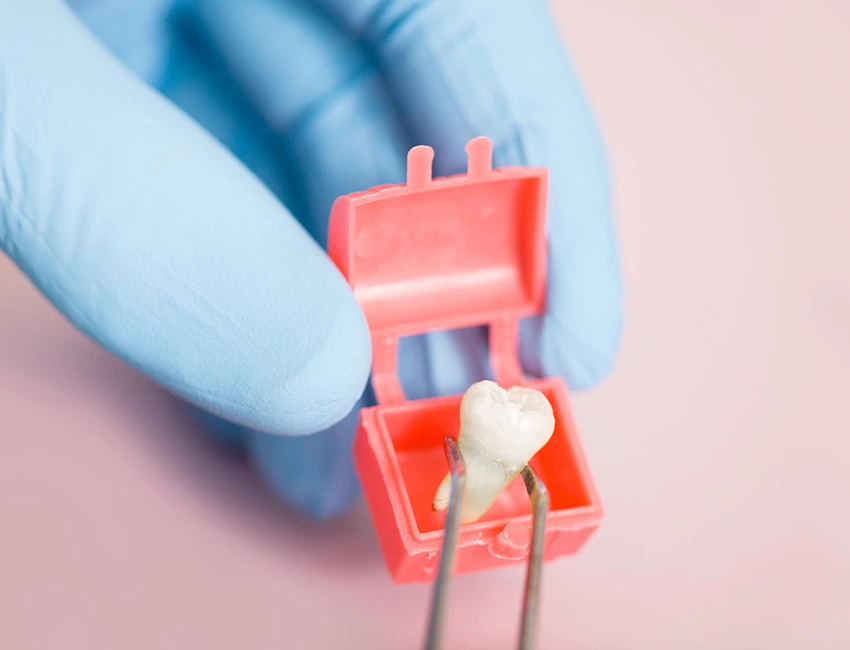
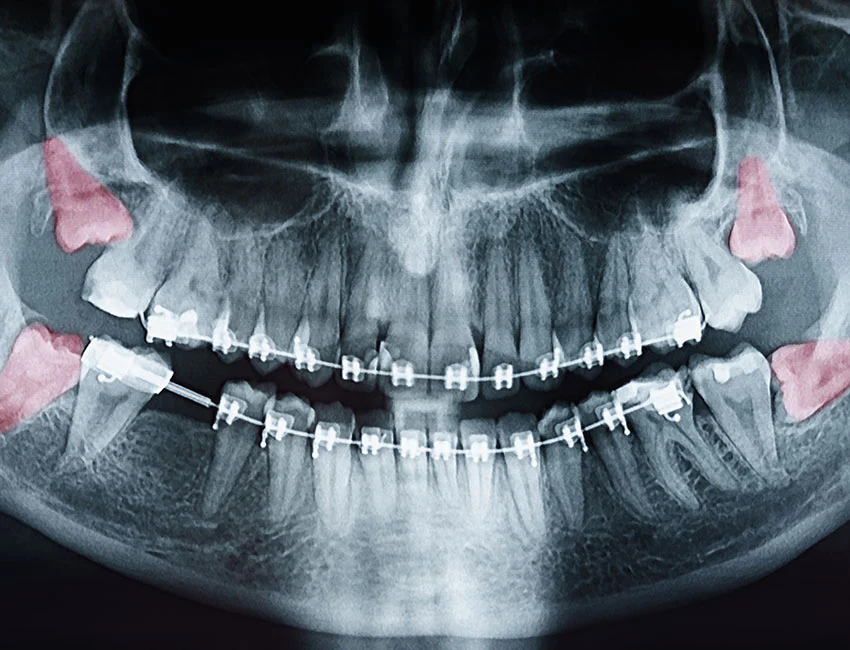
Wisdom teeth, also known as third molars, are the last set of teeth to emerge in the mouth. They typically appear in late adolescence or early adulthood, often with very little room left for them. Some people have no issues at all, while others experience pain, infection, and misalignment of the surrounding teeth. Our experienced dentist evaluates the position of each one using digital X-rays before recommending anything. About 85% of third molars eventually need removal, according to the American Association of Oral and Maxillofacial Surgeons.
Removing an impacted third molar eliminates the pain, swelling, and infection that develop when a wisdom tooth has no room at all to emerge properly through the gum.
Taking wisdom teeth out prevents the overcrowding that pushes your other teeth out of alignment and creates orthodontic issues further down the road as you age.
Third molars sit at the very back of the mouth and are difficult to clean, so removing them lowers your risk of both cavities and periodontal disease in that area.
Extraction removes the risk of cysts or tumors forming around an impacted wisdom tooth, which can otherwise lead to far more serious health issues over the years.
From your first exam to the final result, here's exactly what to expect — calm, clear, and never rushed.
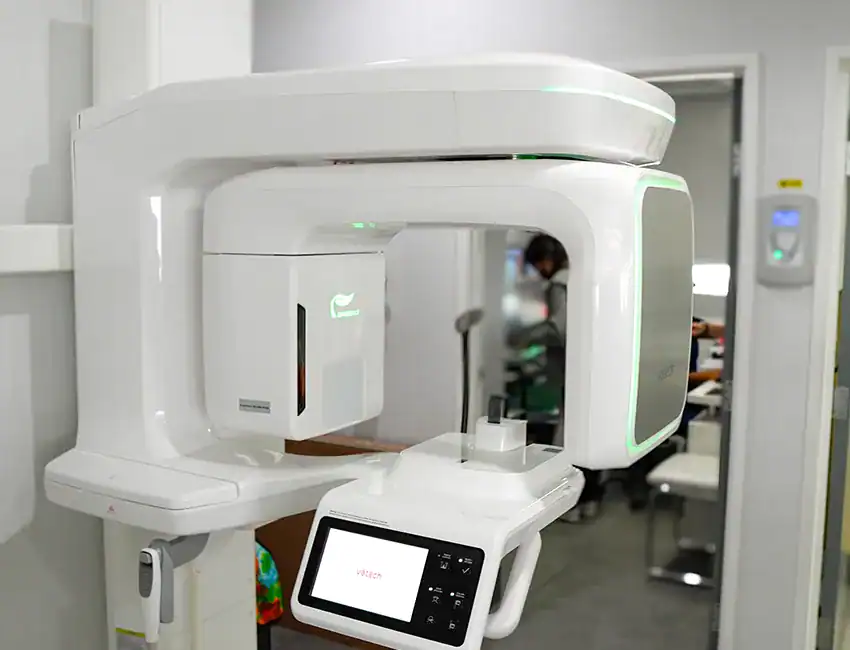
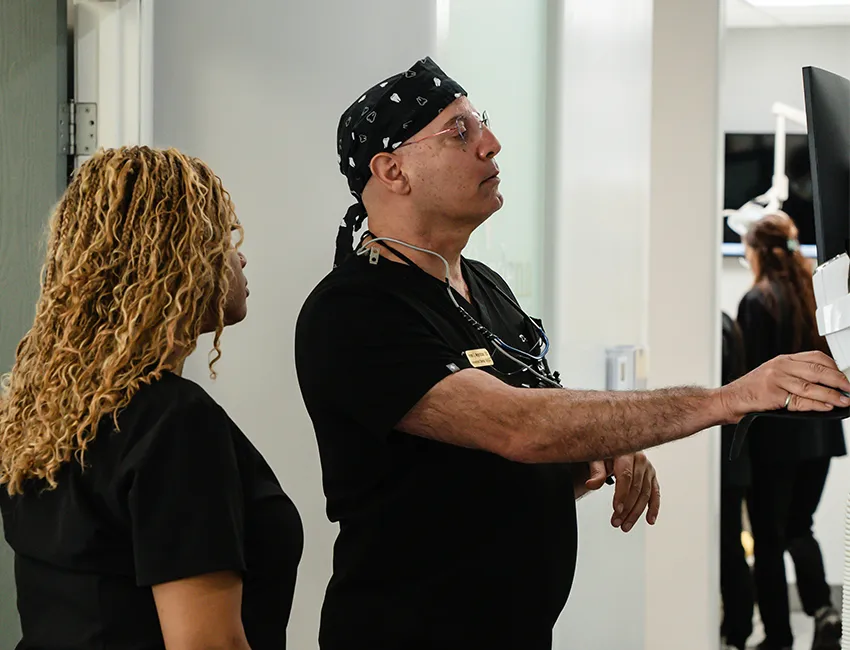
Request an AppointmentOur experienced dentist evaluates your dental health using digital X-rays and a thorough exam to locate each of your wisdom teeth and their exact position.
Local anesthesia, sedation, or general anesthesia is administered based on the specifics of your case and how comfortable you feel that day.
Our dentist makes a small incision in the gum tissue to expose both the tooth and the bone that surrounds it underneath the crown and its roots.
The tooth may be divided into sections to make removal easier, and then the site is cleaned once it has been fully extracted, prepared, and inspected.
Stitches may be placed to promote healing, and you receive a full set of aftercare instructions before you head home to rest and recover.
Your wisdom teeth lack the room they need to emerge or develop normally, which brings on pain, swelling, and repeated infections back there.
Wisdom teeth are crowding your mouth and pushing the other teeth out of alignment, undoing your previous orthodontic work from earlier in life.
Cavities or gum disease keep developing around the back molars because those teeth are so difficult to reach and clean with a normal toothbrush.
Imaging shows a cyst or a tumor forming around one of your impacted wisdom teeth, which calls for prompt attention here at our dental office.
Our patients return year after year for calm, unhurried care and honest, personalized guidance.
We go above and beyond to make wisdom teeth removal feel calm and effortless — pairing the latest technology with a gentle, unhurried approach designed entirely around you.
Here are just a few reasons our patients love us:
Don't see the answer you're looking for? Call us at (310) 366-7666.
Some people have enough room and never develop problems with their third molars. Our dentist uses X-rays to determine whether yours are likely to cause trouble.
You will receive aftercare instructions covering pain management, swelling, and dietary restrictions. Most patients feel noticeably better within a few days of the procedure.
Wisdom teeth typically emerge in late adolescence or early adulthood, and removal is often easier at that stage. Our dentist evaluates your case rather than going by age alone.
The cost depends on how many teeth are removed, whether they are impacted, and which anesthesia you choose. Our team reviews the full fee with you before the procedure.
Most dental plans cover a portion of third molar extraction, particularly when it is medically necessary. Our front office will verify your benefits ahead of time.
Addressing wisdom teeth early keeps a small problem from becoming a painful one. Visit Gardena Dental Group to schedule wisdom teeth removal in Gardena, CA, and get ahead of the discomfort.
Open Monday to Saturday, with evening hours Monday and Tuesday
 25+ Years of Care
Third MolarsThe clinical term for wisdom teeth, as they are the third set of molars to erupt.
Impacted Wisdom ToothA wisdom tooth that is unable to erupt properly due to lack of space or incorrect positioning.
PericoronitisInflammation of the gum tissue around a partially erupted wisdom tooth.
Overcrowding of TeethImpacted wisdom teeth can push on other teeth, causing misalignment.
Cysts and Tumors Around Wisdom TeethRarely, impacted wisdom teeth can lead to the development of cysts or tumors.
Damage to Adjacent TeethImpacted wisdom teeth can damage the roots of nearby teeth.
Gum Disease Associated with Wisdom TeethPartially erupted wisdom teeth can create areas where bacteria can accumulate, leading to gum disease.
Infection Related to Wisdom TeethPericoronitis or other infections can occur around impacted wisdom teeth.
AnesthesiaLocal anesthesia numbs the area, while sedation options are available for anxious patients.
CoronectomyRemoving only the crown of the wisdom tooth, leaving the roots in place.
IncisionA cut made in the gums to access an impacted wisdom tooth.
OdontectomyThe surgical removal of a wisdom tooth.
SectioningDividing the wisdom tooth into smaller sections for easier removal.
Dry SocketA painful condition that occurs when the blood clot at the extraction site is dislodged.
GauzeUsed to control bleeding after the extraction.
Ice PackApplied to the face to reduce swelling and discomfort.
Pain MedicationPrescribed or over-the-counter medication to manage pain.
Sutures (Stitches)Used to close the gums after the extraction.
Holiday Promotion
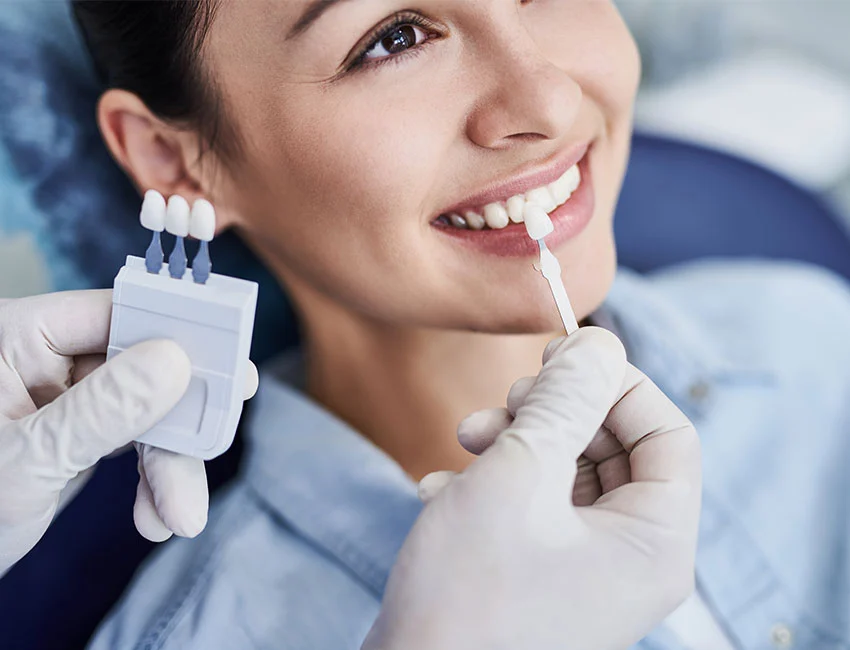
All new patients from October to December receive a take-home whitening kit. Book your appointment today.