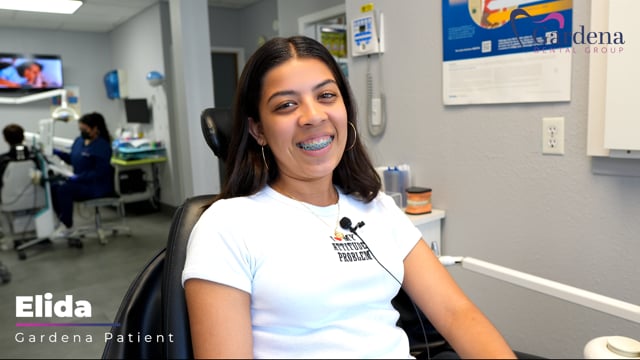
Tooth Preservation
Endodontic therapy saves your natural tooth and prevents the extraction that would otherwise be the only remaining treatment option available to you.
Accepting New Patients
Does the phrase root canal make you nervous? Root canal treatment in Gardena, CA, relieves the source of your tooth pain rather than causing more of it. Our experienced team at Gardena Dental Group makes the process as smooth and comfortable as possible.
1,447
5-Star Google Reviews
Same-Day
Emergency & Walk-Ins
Easy Payments
Most Insurance & Financing
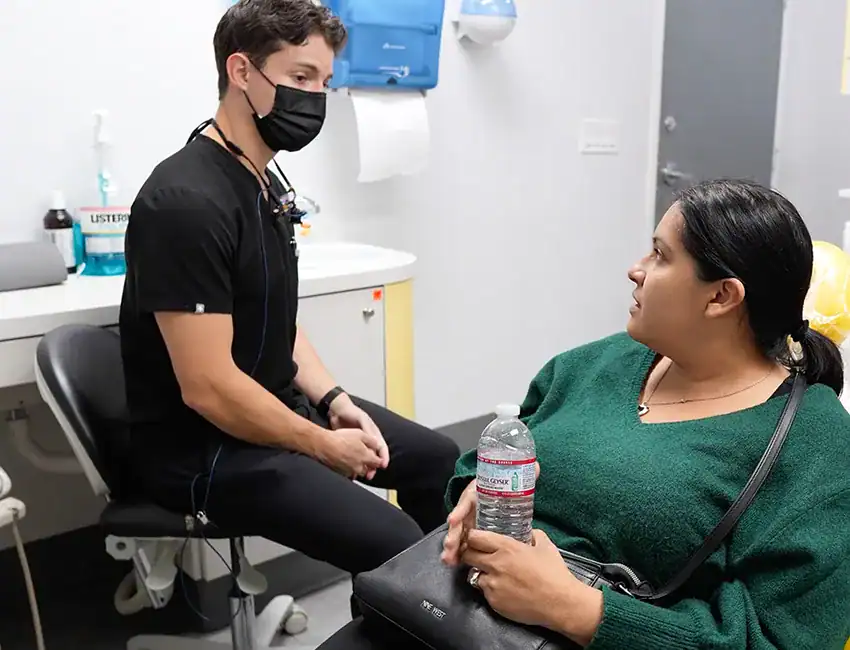
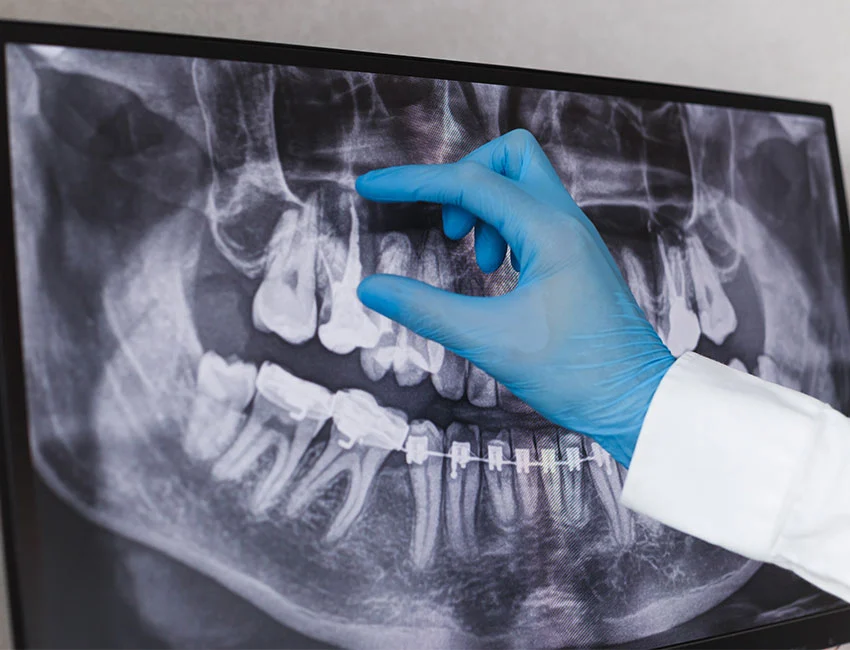
A root canal, also known as endodontic therapy, is a dental procedure used to treat infection or damage inside the tooth's pulp. The pulp is the soft tissue within your tooth that contains the nerves and the blood vessels. When it becomes infected or damaged by decay, trauma, or repeated dental procedures, a root canal is often needed to preserve the tooth. Our dentist removes the infected tissue, cleans the canals, and seals them to stop the infection from spreading further. More than 41,000 root canals are performed each day across the country.
Endodontic therapy saves your natural tooth and prevents the extraction that would otherwise be the only remaining treatment option available to you.
Treatment eliminates the intense pain caused by an infected or inflamed pulp, and the relief often arrives within a day or two of your appointment here with us.
Removing the infected tissue stops that infection from spreading further into the surrounding teeth, the gum tissue, and the supporting structures that are nearby.
You quickly regain the ability to enjoy all of your favorite foods and to speak clearly once again, without tooth pain interrupting the middle of your busy day.
From your first exam to the final result, here's exactly what to expect — calm, clear, and never rushed.
Request an AppointmentOur expert dentist begins with a comprehensive exam, including X-rays, to assess the full extent of any damage or infection that is present.
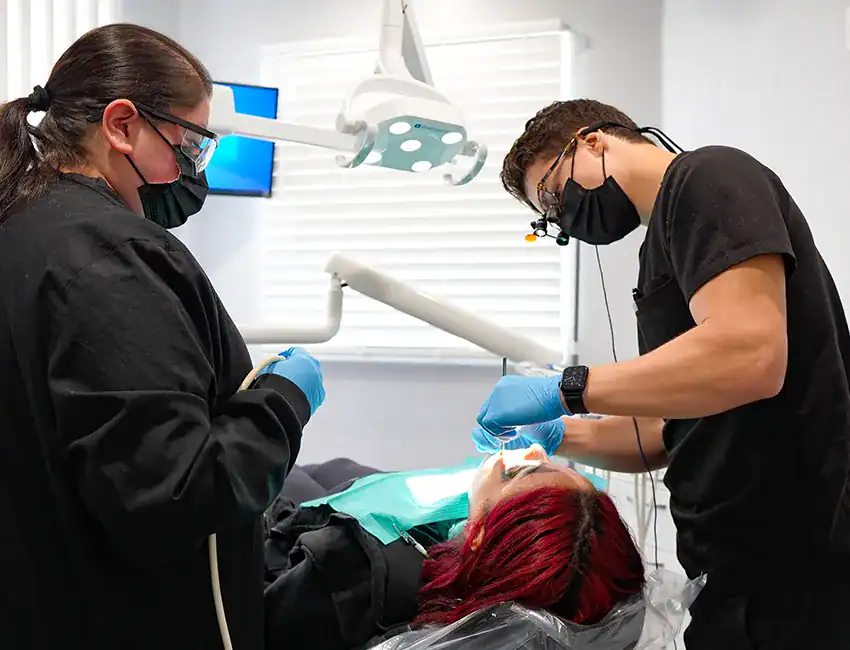
Local anesthesia numbs the area, and a dental dam isolates the tooth in order to keep it clean and dry throughout the entire treatment appointment.
We create a small access hole, carefully remove all of the infected pulp, and then clean and disinfect the entire inside of the tooth itself.
The cleaned canals are filled with a biocompatible material called gutta-percha, and then the access hole itself is sealed off once again.
A crown or another restoration is placed over the treated tooth, often at a follow-up visit, in order to fully restore its natural function.
A severe toothache flares up when you chew or apply pressure, which very often points to an infection deep inside the affected tooth itself.
Sensitivity to hot or cold temperatures lingers on for a while after the food or the drink that caused it has finally left your mouth completely.
The gums near the tooth look swollen and tender to the touch, or a persistent pimple has appeared along the gumline right beside that tooth.
The tooth has darkened noticeably compared with the teeth beside it, which can signal that the nerve inside of it has already started dying.
Our patients return year after year for calm, unhurried care and honest, personalized guidance.
We go above and beyond to make root canal treatment feel calm and effortless — pairing the latest technology with a gentle, unhurried approach designed entirely around you.
Here are just a few reasons our patients love us:
Don't see the answer you're looking for? Call us at (310) 366-7666.
Root canal treatment relieves the source of your tooth pain rather than causing more of it. The tooth is numbed with local anesthetic beforehand, so you feel little more than a bit of pressure.
Some cases require two appointments, one to identify the need and one to carry out the treatment. A root canal can often be finished in a single visit when possible.
The only other option is removing the tooth entirely. Preserving your natural tooth is almost always the better long-term choice.
The cost depends on which tooth is affected, the complexity of the canals, and whether a crown is needed afterward. Our team reviews the full fee with you before treatment begins.
Most dental insurance plans cover a portion of endodontic treatment. Our front office will verify your benefits and explain what your plan is expected to cover.
A severe toothache or a visible abscess is a sign to have the tooth evaluated soon. Call Gardena Dental Group today to discuss root canal treatment in Gardena, CA, and save your natural tooth.
Open Monday to Saturday, with evening hours Monday and Tuesday
 25+ Years of Care
AbscessA pocket of pus that forms at the end of the tooth root due to infection.
EndodonticsThe branch of dentistry specializing in root canal treatment.
EndodontistA dentist who specializes in root canal treatment.
PulpThe soft tissue inside the tooth that contains nerves and blood vessels.
PulpectomyComplete removal of the infected or damaged pulp tissue.
Root Canal TherapyA procedure to remove infected or damaged pulp from inside a tooth.
Dental DamA thin sheet of rubber used to isolate the tooth being treated.
FilesSmall instruments used to clean and shape the root canals.
Gutta-perchaA rubber-like material used to fill the root canals.
IrrigationFlushing the root canals with disinfectant solutions.
Paper PointsAbsorbent paper tips used to dry the root canals.
ApicoectomyA surgical procedure to remove the tip of the tooth root.
CrownA dental restoration that covers the entire tooth, often placed after a root canal.
NecrosisDeath of the pulp tissue.
Periapical X-rayAn X-ray that shows the entire tooth, from crown to root.
Post and CoreA support structure placed in the root canal to provide stability for a crown.
Tooth SensitivityIncreased sensitivity to hot, cold, or sweet stimuli, which can occur after a root canal.

Holiday Promotion
All new patients from October to December receive a take-home whitening kit. Book your appointment today.