Pain Relief
Removing a severely damaged tooth eliminates the source of persistent pain, and most patients feel significant relief within a day or two of the procedure itself.
Accepting New Patients
Does the thought of an extraction make you uneasy? Tooth extraction in Gardena, CA, is far smoother and more comfortable than most people expect. Our experienced team at Gardena Dental Group is ready to make the process as pain-free as possible.
1,447
5-Star Google Reviews
Same-Day
Emergency & Walk-Ins
Easy Payments
Most Insurance & Financing
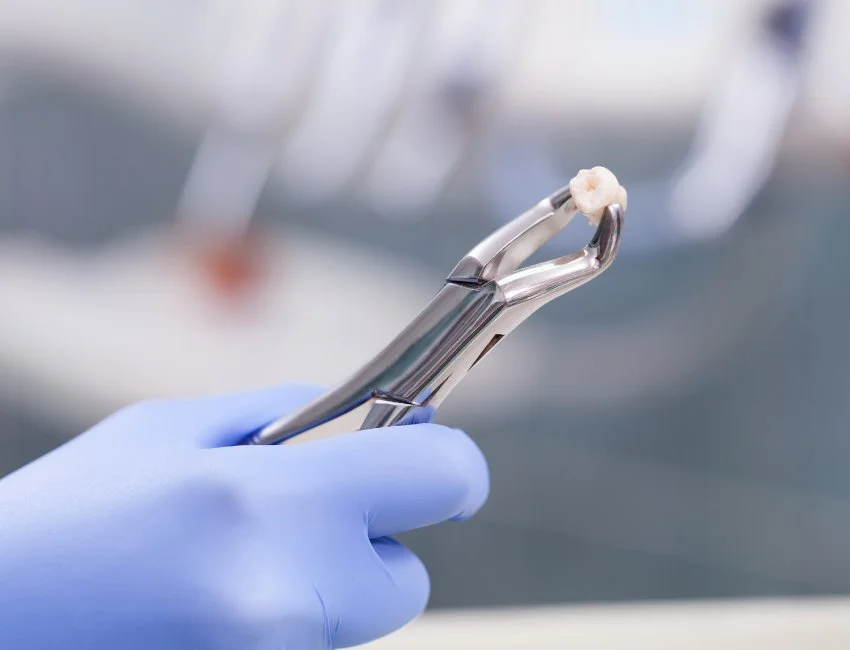
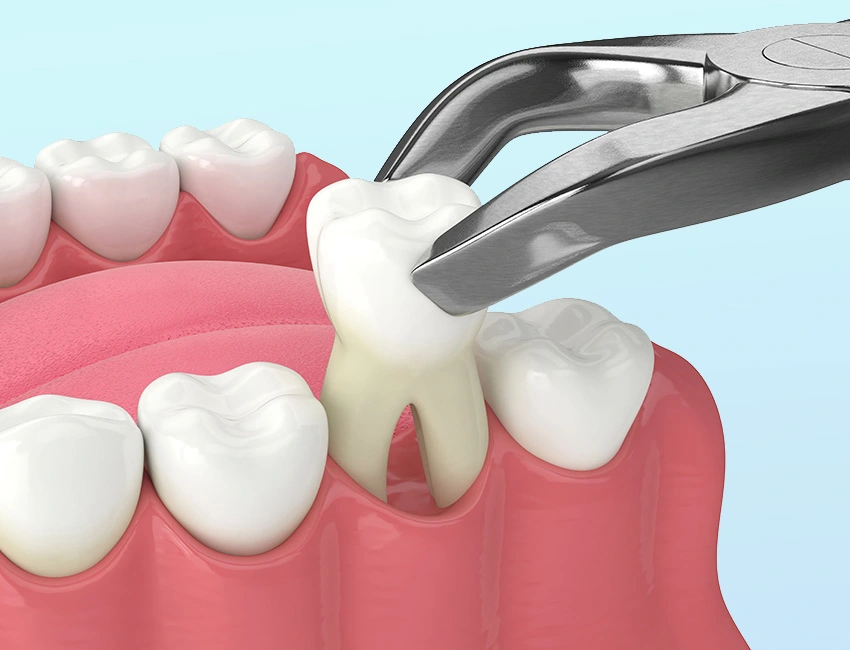
A tooth extraction is a dental procedure in which a tooth is removed from its socket in the jawbone. It is typically performed by our dentist or an oral surgeon under local anesthesia, which numbs the area and minimizes discomfort during the procedure. Extraction becomes necessary for dental issues that cannot be resolved through any other treatment. Those issues include severe tooth decay, advanced periodontal disease, irreparable damage from trauma, or overcrowding. Most extractions are simple procedures, while an impacted tooth requires surgical removal instead.
Removing a severely damaged tooth eliminates the source of persistent pain, and most patients feel significant relief within a day or two of the procedure itself.
Taking out an infected or abscessed tooth stops the bacteria from spreading into the surrounding gums, the bone, and the neighboring teeth in your mouth as well.
Extraction creates the space that crowded teeth need, which allows orthodontic treatment to align the remaining teeth properly and far more comfortably over time.
Removing an impacted or failing tooth now prevents the pain, the swelling, and the far more complicated dental problems that would otherwise follow later on instead.
From your first exam to the final result, here's exactly what to expect — calm, clear, and never rushed.
Request an AppointmentWe take X-rays and thoroughly examine your mouth to determine the best course of action before any extraction is ever scheduled for your tooth.
A local anesthetic numbs the area around the tooth, and sedation is available for more complex extractions such as impacted molars or wisdom teeth.
If the tooth is impacted, an incision in the gum tissue may be required, and some bone around the tooth may need to be removed during the procedure.
Our dentist gently rocks the tooth back and forth to loosen it from the jawbone and the ligaments before removing it completely from its socket.
We discuss implants, bridges, and dentures so the gap gets filled before your remaining teeth begin to shift out of place over the years ahead of you.
A tooth is extensively damaged by decay, trauma, or infection, and it needs to come out to prevent further complications from spreading.
Severe crowding or misalignment calls for extraction as part of orthodontic treatment, creating the space your other teeth need to move into place.
An infection or abscess has formed around a tooth, which signals advanced decay or gum disease that extraction can resolve once and for all.
Impacted wisdom teeth in a young adult are causing pain and are likely to create even more dental problems if they are left in place as you get older.
During your dental exam, we’ll take an X-ray of your affected tooth to determine if it needs to be removed and which type of extraction is recommended:
Most dental extractions are what we call a simple extraction. These procedures can be performed using local anesthetic (numbing medication) and require minimal healing time.
If a tooth is impacted within the gum or bone tissues, a simple extraction is prohibited. Instead, surgical removal of the tooth is required. A classic example is wisdom tooth removal, which is usually regarded as a type of oral surgery. Surgical extractions can be performed by family dentists, oral surgeons, or other dental specialists.
Our patients return year after year for calm, unhurried care and honest, personalized guidance.
We go above and beyond to make tooth extraction feel calm and effortless — pairing the latest technology with a gentle, unhurried approach designed entirely around you.
Here are just a few reasons our patients love us:
Don't see the answer you're looking for? Call us at (310) 366-7666.
Local anesthetic numbs the area completely, so you should not feel pain during the procedure itself. Sedation is available for more complex extractions if you would prefer it.
Most extractions are simple procedures performed with numbing medication and requiring minimal healing time. A tooth impacted within the gum or bone requires surgical removal instead.
Missing teeth affect your ability to chew and speak and can shift the alignment of your remaining teeth. We offer implants, bridges, and dentures to fill the space.
The cost depends on whether the extraction is simple or surgical and which tooth is involved. Our team reviews the full fee with you before the procedure is scheduled.
Most dental plans cover a portion of extraction costs, since the procedure is considered restorative. Our front office will verify your benefits before treatment begins.
Reaching out early gives you more options and a far easier recovery. Contact Gardena Dental Group today to discuss tooth extraction in Gardena, CA, and keep your smile healthy and comfortable.
Open Monday to Saturday, with evening hours Monday and Tuesday
 25+ Years of Care
Simple ExtractionRemoval of a tooth that is visible above the gumline.
Surgical ExtractionRemoval of a tooth that is impacted, broken below the gumline, or requires an incision in the gums.
CrowdingTo create space for orthodontic treatment.
Gum DiseaseWhen gum disease has loosened a tooth or damaged the supporting bone.
Impacted ToothWhen a tooth (often a wisdom tooth) fails to erupt properly.
InfectionWhen an infection has spread to the tooth pulp or surrounding tissues.
Severe DecayWhen a tooth is too damaged to be repaired with a filling or crown.
TraumaWhen a tooth is broken or fractured beyond repair.
AlveoplastySmoothing and recontouring the jawbone after an extraction.
AnesthesiaMedication used to numb the area and prevent pain during the extraction.
ElevationUsing a dental instrument to loosen the tooth before removal.
ForcepsInstruments used to grasp and remove the tooth.
IncisionA cut made in the gums to access a tooth that is not fully erupted.
SectioningDividing a tooth into smaller pieces for easier removal.
Dry SocketA painful condition that can occur if the blood clot at the extraction site is dislodged.
GauzeUsed to control bleeding after the extraction.
Ice PackApplied to the face to reduce swelling and discomfort.
Pain MedicationPrescribed or over-the-counter medication to manage pain.
Sutures (Stitches)Used to close the gums after a surgical extraction.
Alveolar BoneThe bone that surrounds and supports the teeth.
EdentulousLacking teeth.
HematomaA collection of blood outside of a blood vessel.
TrismusLimited jaw opening or lockjaw.

Holiday Promotion
All new patients from October to December receive a take-home whitening kit. Book your appointment today.