
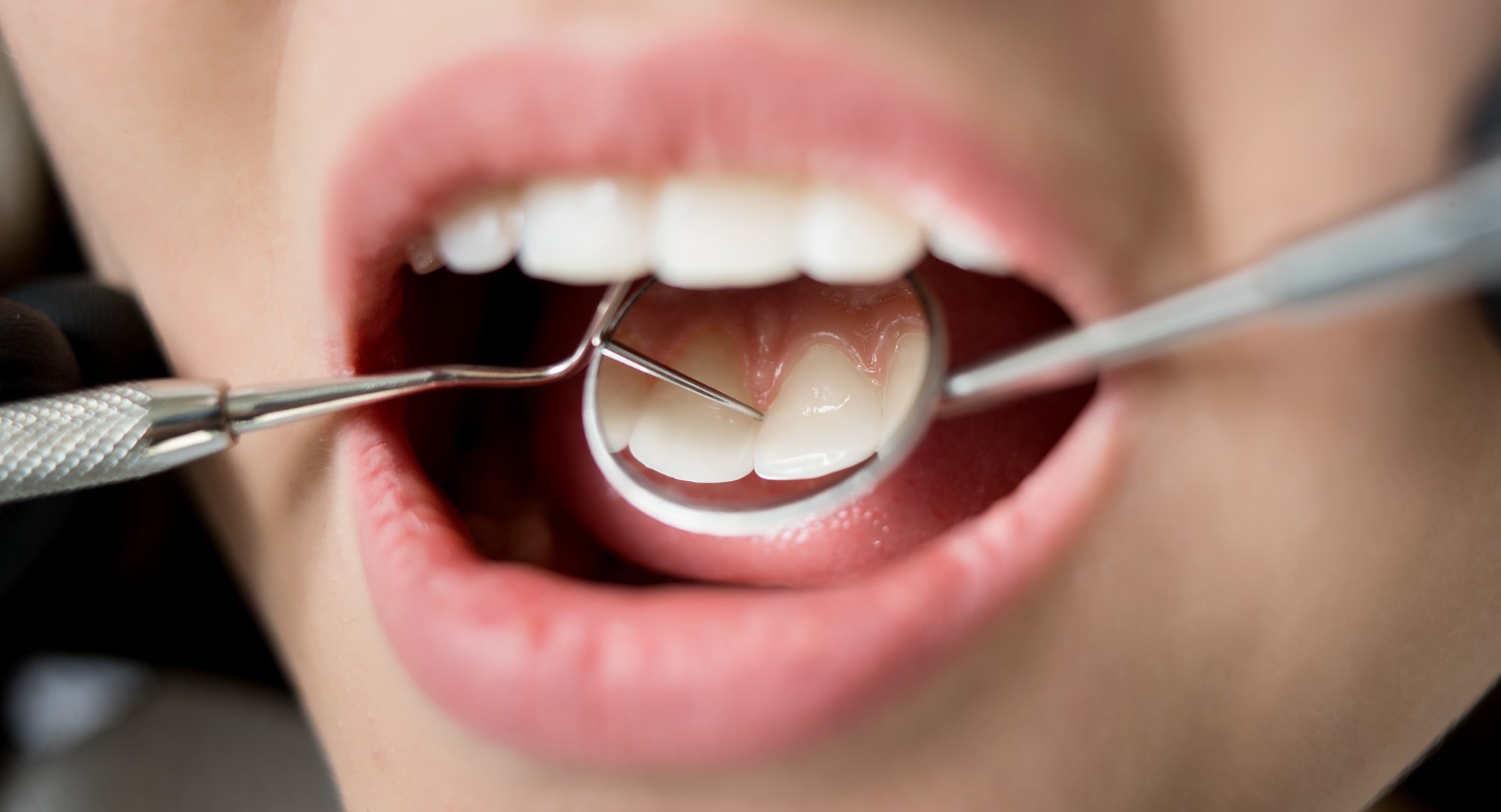
Bleeding, swelling, chronic bad breath, and shifting teeth are telltale signs of gum disease.
Could your gums be trying to tell you something? Learning the signs of gum disease early is among the smartest ways to safeguard your teeth. Gum disease is a bacterial infection that inflames the gums and can erode the bone holding your teeth in place. Since it tends to progress without pain, staying alert to the warning signs and keeping up with periodontal care makes all the difference. Notice these five clues early, and your smile can stay healthy for years of visits to the Gardena Willows Wetland Preserve.
Key Takeaways
- Early gum disease rarely hurts, so its signs slip by unnoticed. Awareness is your first line of defense.
- Blood on your toothbrush or floss is an early red flag. Sound gums simply do not bleed.
- Puffy, reddened gums mean inflammation has begun. Plaque at the gumline is usually the trigger.
- Breath that stays bad hints at bacteria below the gums. Fresh breath should not be a struggle.
- Teeth that loosen or drift signal advanced disease. Fast periodontal care can still protect them.
What Are the Warning Signs of Gum Disease?
Gum disease tends to work quietly in the background. According to the Cleveland Clinic, periodontal disease usually brings no pain in its early stages, showing up instead through clues like bleeding gums, bad breath, and loosening teeth. Since those hints are so easy to dismiss, many people miss them. Here are the five to keep on your radar.
1. Gums That Bleed Easily
A little blood when you brush or floss is worth noticing. Gums in good shape stay put without bleeding during your normal routine. When they do bleed, gingivitis, the mildest form of gum disease, is the usual culprit. Handled early, it can often be turned around entirely.
2. Red, Swollen, or Puffy Gums
Firm, light-pink gums are a picture of health. Once they turn red, glossy, or swollen, inflammation has set in, typically from plaque building up at the gumline. Because this stage seldom aches, it slips past many people. Tending to it right away stops it from spreading.
3. Breath That Won’t Freshen Up
Stubborn bad breath can be more than a food-related nuisance. Colonies of bacteria beneath the gums produce odors that brushing and mints only cover briefly. If your breath refuses to stay fresh, an underlying gum infection may be at work. It is a quiet signal that deserves attention.
4. Gums Pulling Back From the Teeth
Teeth that seem to be getting longer are often a recession clue. As the disease advances, gum tissue retreats and uncovers more of each tooth and its root. Plenty of people blame getting older, yet this is a genuine warning sign. Exposed roots can also turn sensitive to hot and cold.
5. Loosening or Drifting Teeth
A wobbly tooth or a bite that feels different is a late, serious signal. When the infection eats away at the supporting bone, teeth lose their grip. This is not something to wait on, because tooth loss becomes a real risk. Swift periodontal care can still turn things around in many cases.
Why Do Warning Signs of Gum Disease Go Unnoticed?
The reason gum disease is so sneaky is its lack of early pain. Its signs arrive gradually and fold into daily life until they grow harder to ignore. Many people wave off a bit of bleeding or stale breath as ordinary, when it is anything but. Routine dental visits are the safety net that catches what you cannot.
What Happens If You Ignore It?
Left alone, gum disease rarely stays put. Gingivitis can harden into periodontitis, where bone loss and receding gums set in. Advanced disease is a leading cause of adult tooth loss and has been linked to heart and other health concerns. Treating it early spares you far bigger problems down the road.
How Is Gum Disease Diagnosed?
Catching gum disease usually starts with a routine checkup. During the visit, a dentist inspects your gums for redness and swelling and gently probes the depth of the space around each tooth. Dental images can show whether the supporting bone has started to shrink. Together, these steps reveal the stage of the disease and point to the right care.
Who Is at Higher Risk?
Some people are more prone to gum disease than others. Smoking, diabetes, certain medications, and a family history all raise the odds. Hormonal changes and inconsistent oral care play a role too. Knowing your risk helps you stay a step ahead with prevention.
Can You Prevent Gum Disease?
The encouraging part is that gum disease is largely within your control. A steady routine of brushing morning and night and cleaning between your teeth keeps plaque from taking hold. Professional cleanings clear the hardened tartar that home care leaves behind. Staying tobacco-free and eating a balanced diet give your gums even more protection.
Stay Ahead of Gum Disease
The signs of gum disease may be subtle, but spotting them early changes everything. Keep an eye out for bleeding, swelling, lingering bad breath, receding gums, and loose teeth, and turn to periodontal care right away. If any of these feel familiar, a simple gum check can keep your smile protected.
- If you want to learn more about the warning signs of gum disease, visit our Periodontal Care in Gardena, CA, page to schedule a consultation.