
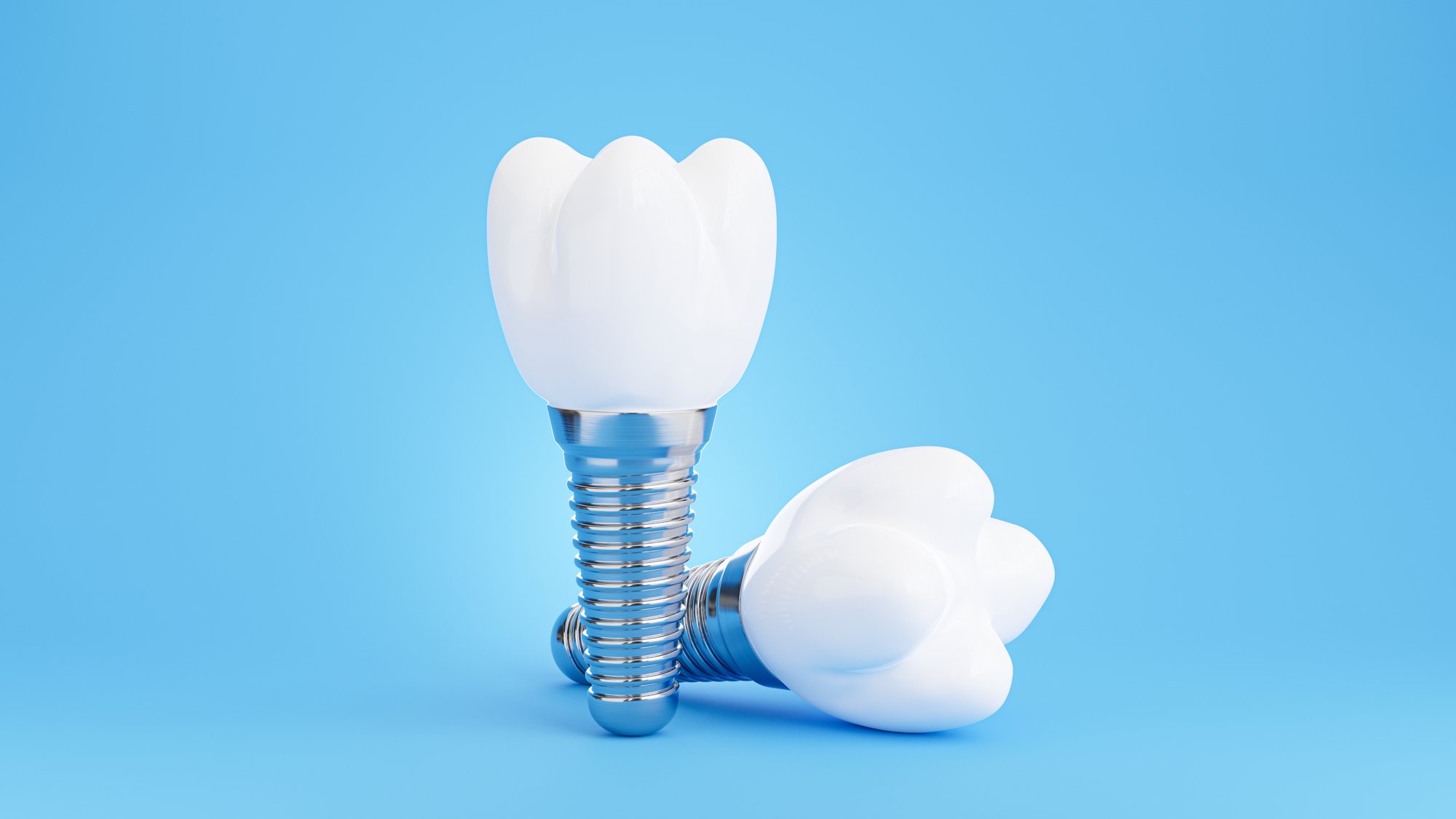
Weighing whether to finally replace a missing tooth with something permanent? A few signs point clearly in that direction. Being ready for dental implants has less to do with how long a gap has been there than with the condition of your bone, gums, and overall health. Dental implants are titanium posts placed in the jaw that act as new tooth roots, topped with custom crowns. Here are five indicators that an implant is likely the right next step.
Key Takeaways
- A gap that bothers you daily is reason enough to explore replacement options.
- Healthy gums and adequate bone are the two strongest signals of readiness.
- Dentures or a bridge that keep causing problems often point toward implants.
- Reluctance to alter healthy neighboring teeth favors an implant over a bridge.
- Willingness to commit to the months-long healing process matters as much as anatomy.
1. A Missing Tooth Is Affecting Daily Life
This is the most practical sign. Chewing on one side, avoiding certain foods, feeling self-conscious in photographs, or noticing a change in how you pronounce certain sounds all indicate the gap has moved beyond cosmetic. Function tends to degrade gradually enough that people adapt without registering it. If you catch yourself steering around a missing tooth during meals or conversations, the gap is costing you more than appearance. That is usually the point at which replacement becomes worth real consideration.
2. Your Gums and Bone Are in Good Shape
This is the clinical requirement that matters most. According to MouthHealthy from the American Dental Association, dental implants are a popular and effective way to replace missing teeth and are designed to blend in with your other teeth. That success depends on a healthy foundation. Gums free of active periodontal disease and a jaw with sufficient bone height, width, and density make someone a strong candidate. Falling short on bone does not disqualify you either, since grafting can rebuild the ridge first.
3. You Are Tired of Working Around a Denture or Bridge
Existing restorations often reveal when it is time for something different. A partial denture that slips, needs adhesive, or has to come out for cleaning wears on people over the years. A bridge that has failed, or that traps food no matter how carefully you clean it, creates similar frustration. Implants stay fixed, are cleaned like natural teeth, and do not rely on the surrounding teeth for support. For anyone whose current solution requires daily workarounds, that difference is substantial.
4. You Want to Protect the Teeth Beside the Gap
A traditional bridge requires reshaping the healthy teeth on either side of a gap so they can carry crowns. That permanently alters two sound teeth to replace one missing one. Plenty of patients are uneasy about that trade, and reasonably so. An implant stands independently and leaves the neighbors untouched. It also replaces the root, which keeps the jawbone stimulated and slows the resorption that follows tooth loss. If preserving healthy teeth is a priority, that alone tilts the decision.
5. You Are Prepared for the Timeline
Readiness is partly about expectations. An implant is not a single-appointment fix: the post needs three to six months to fuse with bone before the crown is attached, and grafting extends that further. Afterward, implants require consistent brushing, flossing, and professional monitoring, since the tissue around an implant can become inflamed. Someone comfortable with that timeline and that upkeep tends to be satisfied with the result. Someone who needs an immediate fix may be better served by another option in the near term.
Recognizing the Right Moment
Being ready for dental implants comes down to a gap that is affecting your daily life, a healthy foundation of gums and bone, frustration with a current restoration, a desire to leave neighboring teeth alone, and patience for the healing process. Most of those are things you already know about yourself; the bone and gum assessment is the part that requires imaging. Dental implants reward that readiness with a replacement tooth that functions and lasts like the original.
If you want to learn more about the signs you are ready for dental implants, visit our Dental Implants in Gardena, CA, page or schedule a consultation.