
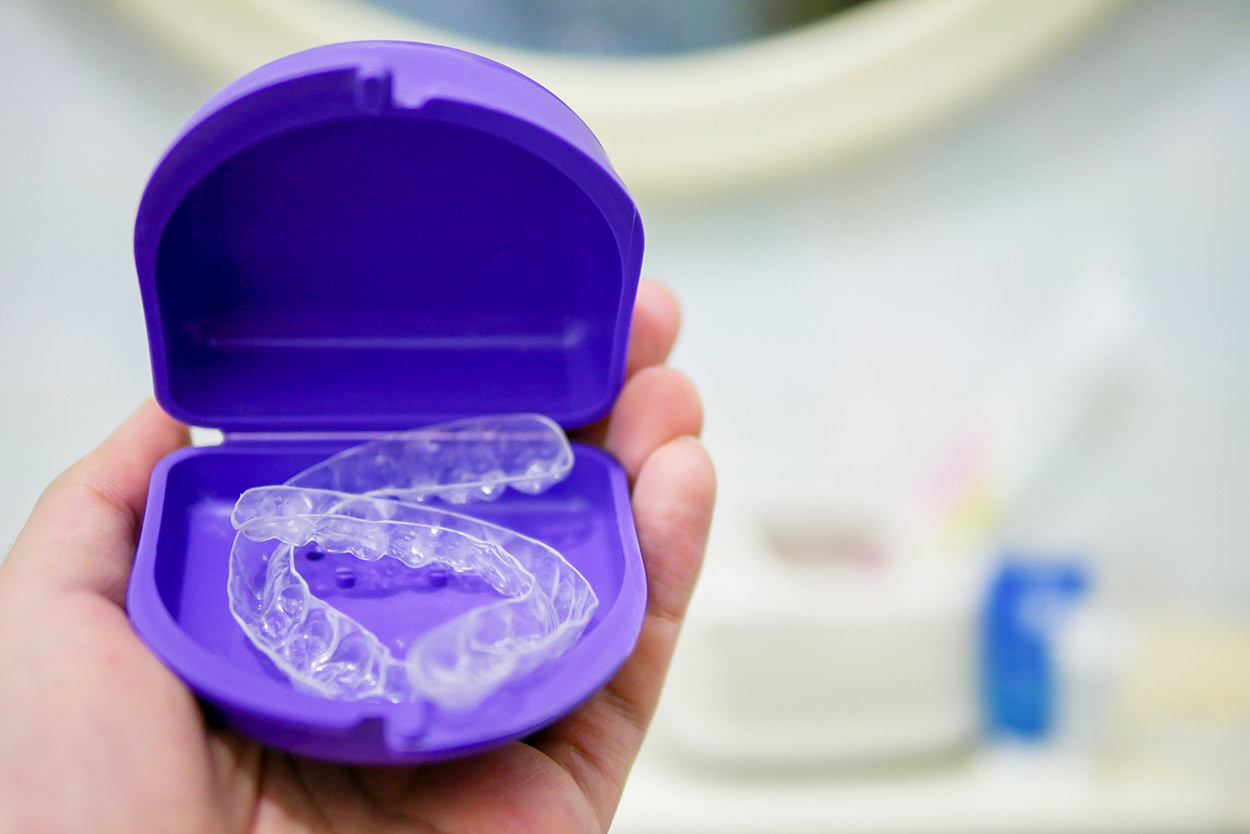
Could one option really shave months off your treatment timeline compared to the other? Speed is one of the first questions patients ask when they are weighing Invisalign or braces , and the answer is more nuanced than the marketing on either side suggests. Both options can produce excellent results, but the timeline depends heavily on the specific case. Knowing what actually drives treatment speed helps you set realistic expectations rather than chasing the fastest-sounding promise.
Key Takeaways
- Treatment speed depends more on the complexity of your case than on the system you choose.
- Invisalign tends to be faster for mild to moderate cases when worn consistently.
- Braces are often the better choice for complex cases, even though they may take longer.
- Compliance with aligner wear is the single biggest factor in Invisalign timelines.
- A thorough consultation is the most reliable way to compare timelines for your specific case.
Why Speed Is Not as Simple as It Sounds
Patients sometimes assume that one system is inherently faster than the other, but the reality is more complicated. The same patient could finish either treatment in roughly the same amount of time, or in very different amounts of time, depending on the case. The number of teeth that need to move, the amount of movement required, and the type of correction all factor in. So does the patient’s daily compliance, since both options rely on a steady, consistent process to deliver the results you want.
This is why the same dentist can give different patients very different timeline estimates. Speed is not a feature of the system itself. It is a result of how the case and the treatment plan come together for each individual patient.
How Long Does Invisalign Usually Take?
Most Invisalign cases run between 6 and 18 months. Mild cases involving minor crowding or small spacing issues can finish in under a year. More involved cases take longer, sometimes as much as 24 months for complex bite corrections, especially when the bite needs to be restructured along with the alignment of the teeth themselves.
The biggest factor in Invisalign speed is consistent wear. The aligners need to be worn 20 to 22 hours per day to keep treatment on schedule. Patients who leave them out for meals and forget to put them back in, or who skip overnight wear, almost always end up with a longer timeline than originally planned.
How Long Braces Usually Take
Traditional braces typically take 18 to 24 months on average, though some cases finish in as little as 12 months and complex cases can take longer. The treatment moves at the pace of the wire adjustments, which usually happen every 4 to 8 weeks.
One advantage of braces is that compliance is built in. The brackets and wires are working on your teeth around the clock, regardless of what you remember to do. The trade-off is that braces do not respond to lifestyle adjustments the same way aligners can. Treatment moves at its own pace, and shortcuts are limited.
Comparing Invisalign or Braces Speed Side by Side
Treatment time with Invisalign or braces depends less on the appliance itself and more on what your teeth need to do. Both systems apply steady pressure to move teeth through bone, and that biology sets the pace no matter which one you choose. Five factors carry the most weight when comparing speed.
- Case Complexity. Simple cases finish quickly with either option, while complex cases often move faster in braces.
- Patient Compliance. Invisalign results depend entirely on wearing the aligners the full time each day.
- Movement Type. Rotating round teeth or repositioning roots tends to go slower with aligners.
- Adjustment Cadence. Braces need periodic in-office visits, while aligner changes happen at home.
- Patient Age. Younger patients often move faster thanks to higher bone metabolism, though adult treatment stays predictable.
Frequently Asked Questions
Can I switch from braces to Invisalign mid-treatment if it is taking too long?
In some cases, yes, though the decision depends on what kind of movement is still needed. Your dentist can evaluate whether switching makes sense or whether staying on the current plan will deliver a better result.
Do extra-fast options like accelerated orthodontics really work?
Some adjunct techniques can speed treatment slightly for the right candidates, but they are not magic and do not replace the basic biology of how teeth move. Your dentist can tell you whether you are a good candidate based on your case.
Will I need a retainer no matter which option I choose?
Yes, a retainer is essential to keep the teeth in their new position after either treatment. Most patients wear it full-time at first, then transition to nighttime wear for the long term.
Picking the Faster Option for Your Smile
The Invisalign or braces speed question rarely has a one-size-fits-all answer. For many patients, Invisalign delivers a faster result when worn consistently. For others, braces handle the case more efficiently because the system can do work that aligners cannot. The right choice comes down to the specifics of your teeth, your lifestyle, and what matters most to you about the process.
- If you want to learn more about your orthodontic options, visit our Invisalign in Gardena, CA, page to schedule a consultation.