
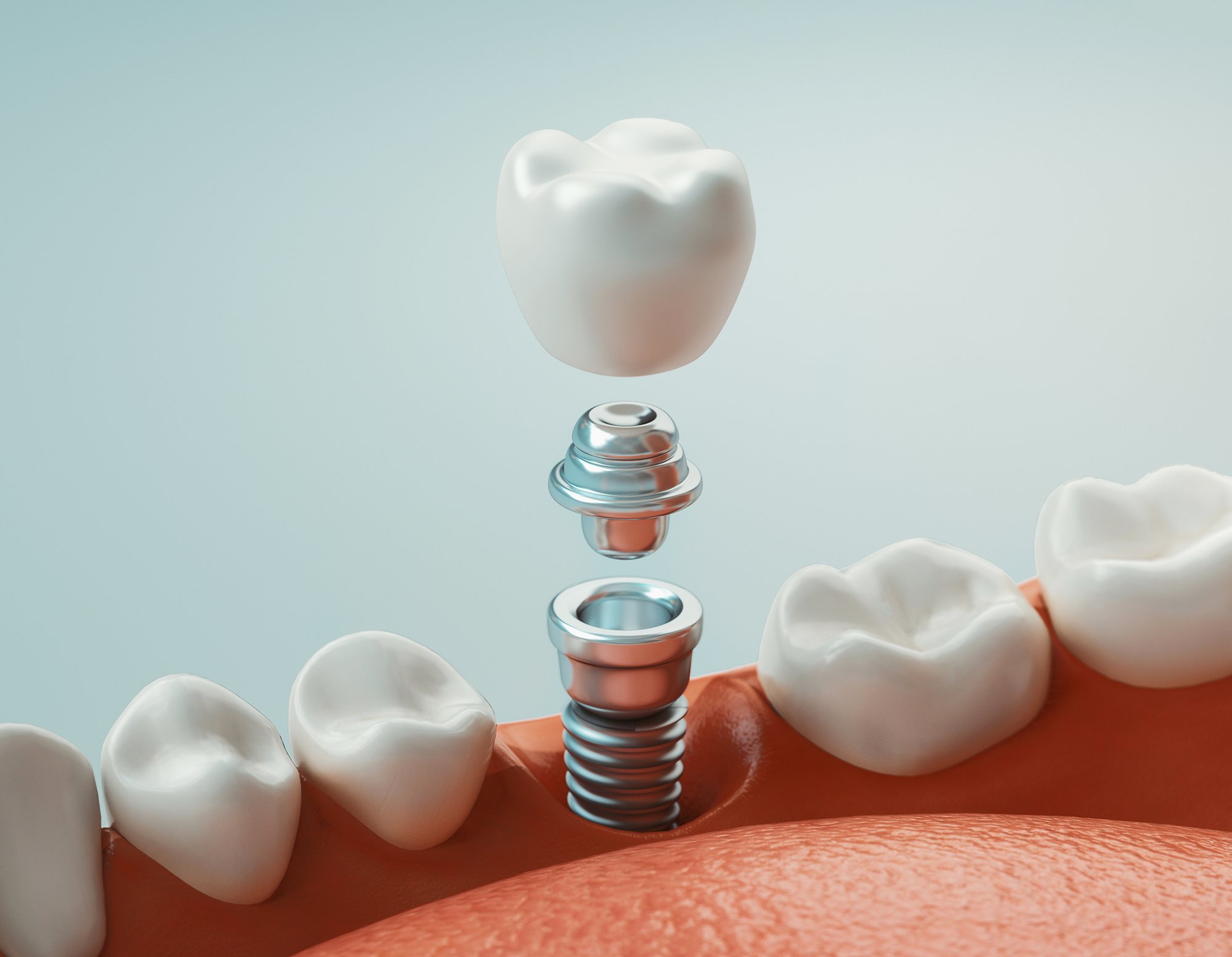
Investing in a fixed set of teeth and wondering how long it will hold up? An implant-supported bridge usually lasts many years, often fifteen or more with good care. An implant-supported bridge is a row of replacement teeth anchored to dental implants instead of natural teeth. Because it is held by implants fused to the jaw, it tends to outlast a traditional bridge. That durability lets you enjoy years of confident meals and strolls around Alondra Regional Park.
Key Takeaways
- An implant-supported bridge usually lasts fifteen years or more. Good care can extend it further.
- The implants that anchor it can last a lifetime. The bridge portion may need eventual replacing.
- It outlasts a traditional bridge, which averages ten to fifteen years. Implants add durability.
- Daily cleaning and checkups protect its lifespan. Healthy gums and bone matter most.
- Grinding, poor hygiene, and hard foods shorten its life. Good habits keep it strong.
How Long Does an Implant-Supported Bridge Usually Last?
With proper care, this restoration is made to endure. According to Colgate, a dental bridge can last well over ten years with good oral hygiene and regular dental visits, and implant-supported versions tend to last the longest. The implants themselves often last a lifetime, while the bridge on top may need replacing after fifteen years or more. Consistent care is what pushes it toward the higher end.
What Makes Implant-Supported Bridges Last Longer?
Their staying power comes from the foundation. Instead of leaning on natural teeth, the bridge anchors to implants fused directly into the jawbone. This stable base handles daily chewing without stressing other teeth. It also preserves the bone, which helps the whole restoration endure.
What Affects How Long It Lasts?
Several factors shape the lifespan of your bridge. Keep these in mind:
- Oral Hygiene. Daily brushing and flossing prevent gum problems. Clean implants last longer.
- Regular Checkups. Routine visits catch issues early. A dentist monitors the implants and bridge.
- Gum and Bone Health. Healthy tissue supports the implants. Gum disease threatens the foundation.
- Bite Forces. Grinding or clenching stresses the bridge. A night guard helps protect it.
- Materials. Quality porcelain or zirconia resists wear. Better materials extend the lifespan.
How Can You Make Yours Last?
Simple daily habits can add years to your bridge’s life. Brush and floss around the bridge every day, using tools that clean underneath it. Keep up with professional cleanings and exams so small issues are caught early. Wearing a night guard if you grind protects your investment.
When Does an Implant-Supported Bridge Need Replacing?
Even a long-lasting bridge may eventually need attention. Signs include looseness, visible wear, chips, or gum changes around the implants. The implants often remain solid while only the bridge portion is renewed. Regular checkups help spot these signs before they become problems.
What Is an Implant-Supported Bridge?
An implant-supported bridge replaces several missing teeth in a row. Instead of resting on natural teeth, it anchors to a few dental implants set in the jaw. The implants act as sturdy roots that hold the bridge firmly in place. The result is a fixed, natural-feeling set of teeth that stays firmly in place.
How Does It Compare to Removable Dentures?
An implant-supported bridge offers advantages a removable denture cannot. It stays fixed in place, so there is no slipping or taking it out to clean. It also preserves the jawbone by stimulating it through the implants. For many people, that stability makes daily life easier.
Does an Implant-Supported Bridge Feel Natural?
Most people find it feels very close to natural teeth. Because it is fixed to implants in the jaw, it chews and bites with confidence. There is no movement or adjustment period like a removable option. Over time, it simply feels like part of your smile.
How Is an Implant-Supported Bridge Placed?
Placement happens in a few planned stages. First, the implants are set into the jaw and left to fuse with the bone over several months. Once they are secure, the finished bridge is fixed onto the implants to complete your new smile. The staged approach builds a strong, lasting foundation.
Who Should Consider One?
An implant-supported bridge suits people missing several teeth in a row. You generally need enough healthy jawbone and good overall health for healing. Those who want a fixed alternative to dentures often prefer it. A consultation and exam confirm whether it fits your needs.
A Long-Lasting Way to Replace Teeth
An implant-supported bridge usually lasts fifteen years or more, and the implants beneath it can serve a lifetime. With daily care and regular visits, it stands among the most durable ways to replace several teeth. If you are considering one, a consultation can show what to expect in your case.
If you want to learn more about the lifespan of an implant-supported bridge, visit our Implant-Supported Bridge in Gardena, CA, page to schedule a consultation.