
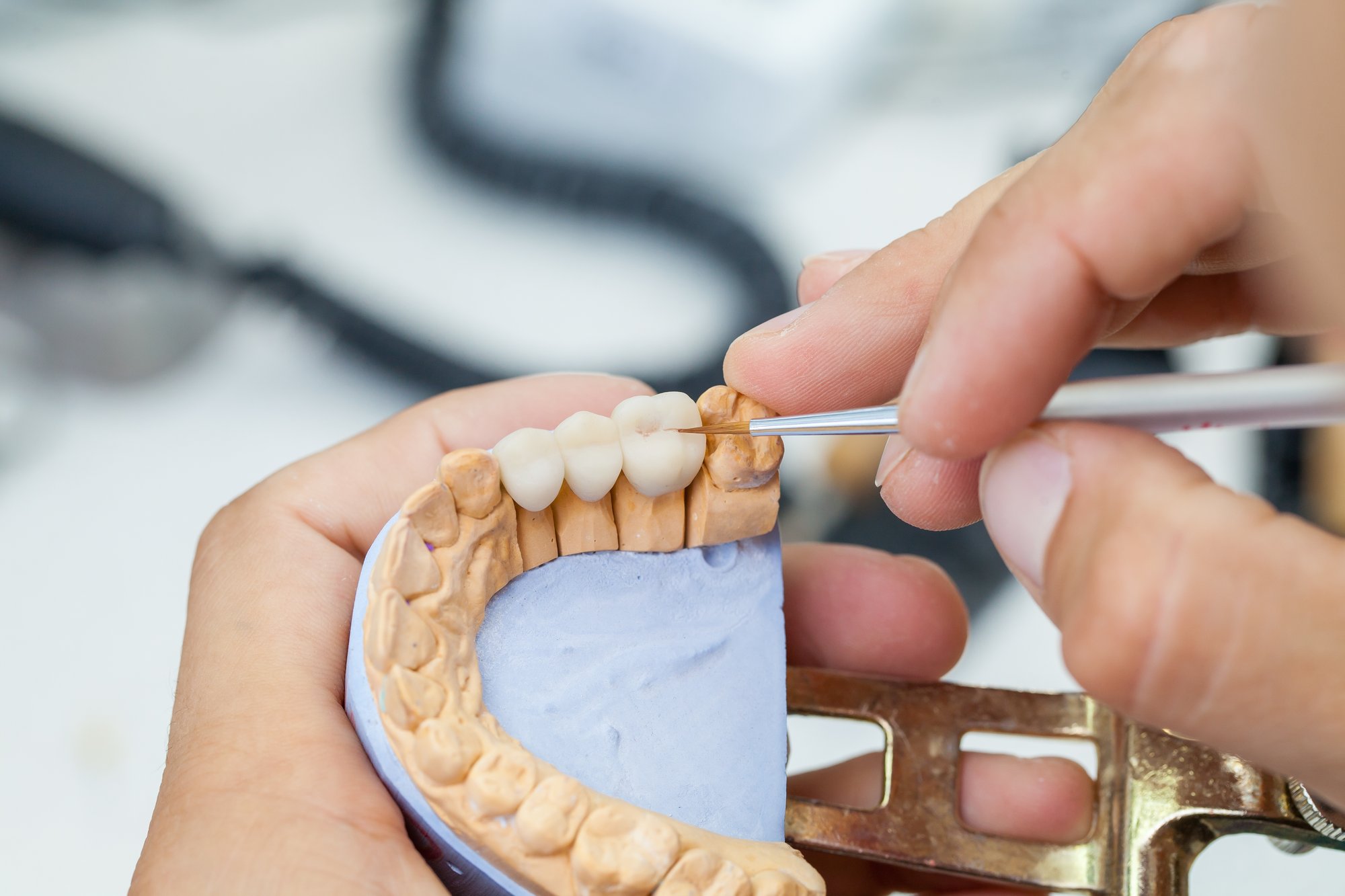
With good care, a single implant generally outlasts a dental bridge.
Filling a single-tooth gap and hoping the fix will go the distance? When choosing between a dental bridge or single implant , the implant usually lasts longer, while the bridge offers its own perks. A dental bridge fills the space by capping the two neighboring teeth and suspending a false tooth between them. An implant instead sets a small post into the jaw to stand in for the missing root. Picking the right one keeps you chewing and grinning comfortably, from a night in to a bite near Arthur Lee Johnson Memorial Park.
Key Takeaways
- With good care, a single implant tends to outlast a bridge. Implants can serve for decades.
- A typical dental bridge holds up for roughly a decade or more. Diligent care stretches its life.
- Bridges borrow support from the teeth on each side. An implant carries its own weight in the jaw.
- Only the implant keeps the jawbone stimulated. That helps guard your long-term oral health.
- Bridges win on lower upfront cost and no surgery. They also finish in fewer visits.
Dental Bridge or Single Implant: Which Lasts Longer?
For sheer lifespan, the implant generally pulls ahead. As WebMD notes, a bridge lasts longer when you keep up regular dental visits, brush and floss daily, and go easy on hard or sticky foods, and bridges tend to serve for about a decade or more. An implant, fused into the jawbone, can keep going for decades or even a lifetime. For lasting durability, that gives the implant the advantage.
What Sets Them Apart?
The two solutions work on completely different principles. A bridge leans on crowns cemented over the adjacent teeth to hold the replacement in place. An implant is a standalone titanium post topped with a crown, needing no help from its neighbors. In short, one borrows support while the other provides its own.
When Does a Bridge Make Sense?
A bridge can be the smart pick in the right circumstances. It asks for a smaller upfront investment, skips surgery, and usually wraps up in just two visits. It is especially sensible when the teeth beside the gap could use crowns anyway. For a quicker, gentler-on-the-budget route, a bridge fits well.
When Does an Implant Make Sense?
An implant tends to win when durability and preserving your other teeth top the list. It fills the gap without touching or reshaping the healthy neighbors. Anchored in bone, it keeps the jaw stimulated and behaves like a natural tooth. For a long-haul, self-supporting fix, few options rival it.
How Can You Help Yours Last?
A dental bridge and a single implant both hold up well over the long run, but only with steady habits behind them. The care is simple, and it takes just a few minutes a day. Build these into your routine:
- Brush and Floss Well. Clean around the restoration twice a day. Threader floss reaches beneath a bridge.
- See the Dentist Regularly. Routine visits spot small issues fast. They keep the fit and gums in check.
- Go Easy on Tough Foods. Ice and sticky candy strain any restoration. Chew them with care or skip them.
- Guard Healthy Gums. Strong gums anchor both bridges and implants. Daily cleaning keeps them sturdy.
- Wear a Night Guard. If you grind, a guard shields your new tooth. It prevents cracks and wear.
Dental Bridge or Single Implant: Which One Feels More Natural?
Both restorations look and work well, but an implant often feels closest to a real tooth. Since it stands alone in the jaw, it chews and bites much like natural teeth. A bridge feels stable too, though it links to the teeth on either side. For the most natural feel, many people lean toward the implant.
Frequently Asked Questions
Does a bridge or single implant last longer?
An implant usually goes the distance, often lasting decades or even a lifetime with proper care. A bridge generally serves for about ten to fifteen years before a replacement is needed.
Is a bridge cheaper than an implant?
A bridge is typically less expensive at the start and involves no surgery. An implant costs more initially but can last far longer, which may even out the difference over the years.
Do implants help protect the jaw?
They do, because an implant fills in for the tooth root and keeps the jawbone stimulated, which limits bone loss. A bridge sits above the gum and does not offer that benefit.
Does Getting Either One Hurt?
Both procedures are comfortable, thanks to local anesthesia. Placing a bridge involves numbing and reshaping the neighboring teeth, so you feel pressure rather than pain. An implant is placed with the area fully numbed, with mild soreness afterward that fades quickly. Most people find either process easier than they expected.
Choosing a Replacement That Lasts
Weighing a dental bridge or single implant, the implant usually lasts longer and protects the jaw, while a bridge delivers a faster, more affordable result. Each can rebuild your smile beautifully. If you are unsure which suits you, a short exam will steer you toward the better fit.
- If you want to learn more about choosing a dental bridge or single implant, visit our Dental Bridges in Gardena, CA, page or schedule a consultation.