Does the thought of a dental visit make your heart race? You are far from alone, and there is help. If you feel anxious at the dentist, sedation dentistry can help you relax through your appointment. Sedation dentistry uses safe medication to calm stress and anxiety during dental care. For many nervous patients, it turns a dreaded visit into a manageable one. Understanding your options takes a lot of the fear out of the chair.
Key Takeaways
- Sedation dentistry uses medication to ease anxiety during dental care.
- Nitrous oxide, oral sedation, and IV sedation are the main options.
- Most sedation keeps you awake but calm and comfortable.
- Sedation can help you get care you have been putting off.
- A dentist reviews your health history before choosing an option.
How Does Sedation Help With Dental Anxiety?
Sedation calms both your mind and body. According to the Cleveland Clinic, sedation dentistry uses medication to help you manage stress or anxiety during a dental procedure. It lowers your worry, relaxes your muscles, and makes time in the chair feel shorter. Many people who use it barely remember the visit afterward. For someone with real dental fear, that calm can make regular care possible again. It does not replace numbing for the procedure; it simply eases the worry on top of it. Feeling calm often makes the whole visit go faster, which is a relief for anyone who has put off care for years. Regular checkups feel manageable once the fear is handled.
What Are the Types of Sedation?
There are a few options, from light to deep. Nitrous oxide, or laughing gas, is inhaled through a small mask and wears off within minutes, so you can usually drive yourself home. Oral sedation is a pill taken before your visit that makes you drowsy but still awake. IV sedation, given through a vein, works quickly and is used for deeper relaxation or longer procedures. A dentist helps match the type to your anxiety level and your treatment. Nitrous oxide is the mildest and most common, while IV sedation is the deepest, and most nervous patients do well with one of the lighter options. The dentist explains what each one feels like beforehand.
Will I Be Asleep During Treatment?
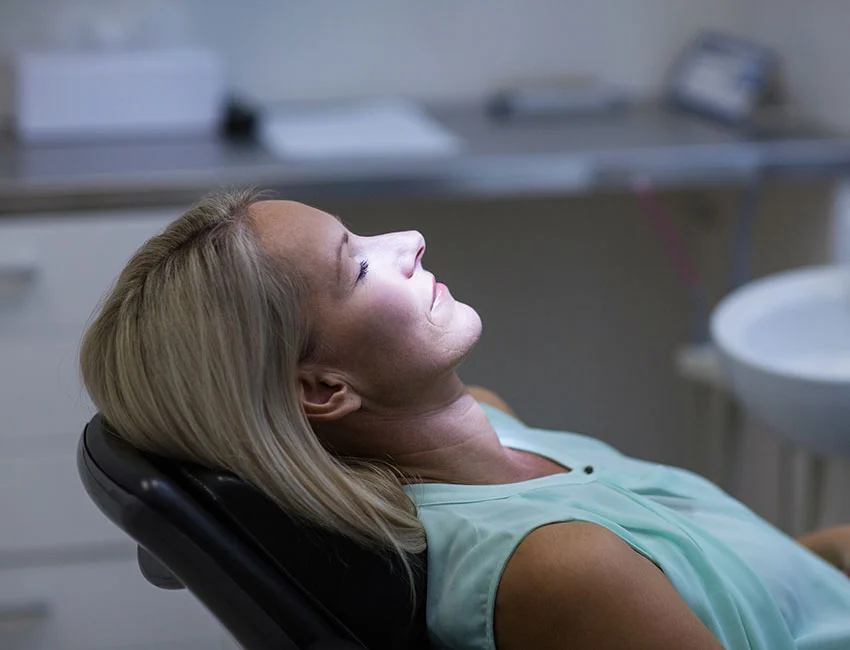
Usually not, and that surprises people. Most dental sedation keeps you conscious and able to respond, just deeply relaxed. This is different from general anesthesia, which puts you fully to sleep. With nitrous oxide or oral sedation, you stay awake but calm. Deeper IV sedation can make the visit feel like a blur, even though you are technically awake. Because you can still respond, the team can guide you through the visit, and many people are surprised how little they remember afterward.
Is Sedation Dentistry Safe?
For most healthy people, yes, when a trained team provides it. A dentist reviews your health history, your medications, and the planned treatment before choosing an option. Some conditions or medicines may change what is safe, which is why that review matters. During deeper sedation, the team monitors your vital signs the whole time. Being open about your health helps keep sedation both safe and comfortable. Tell the team about any medicines or health conditions before your visit, since that simple step is a big part of a safe, smooth experience. During the visit, you can raise a hand if you need a break.
Who Is a Good Candidate?
Sedation helps more people than you might think. It is a good fit for those with dental fear, a strong gag reflex, or trouble sitting still for long visits. It also helps people who need a lot of work done in one appointment. Even a mild case of nerves can be eased with light sedation. There is no shame in needing a little help to relax, and sedation exists precisely so fear does not keep you from healthy teeth. Even one calm visit can change how you feel about dental care.
Frequently Asked Questions
Will I feel any pain with sedation?
Sedation relaxes you, and the area is still numbed for the procedure, so you should not feel pain. Most people feel calm and comfortable the whole time.
Can I drive myself home after sedation?
After nitrous oxide, usually yes, since it wears off quickly. For oral or IV sedation, you will need someone to drive you home.
Does sedation put me to sleep?
Most sedation keeps you awake but relaxed, not asleep. Only deeper sedation or general anesthesia makes you fully unconscious.
A Calmer Way to Get Dental Care
If you feel anxious at the dentist, you do not have to just push through it. Sedation dentistry offers safe options, from laughing gas to deeper IV sedation, to help you relax. It keeps you calm and comfortable, and it can help you finally get care you have been avoiding. You deserve dental care that feels calm, not scary, and the right level of sedation makes that possible.
If you want to learn more about easing anxiety with sedation, visit our Sedation Dentistry in Gardena, CA page or schedule a consultation.